


Beas Kund Trek Manali: Complete Route, Itinerary, Difficulty & Best Time (2026)
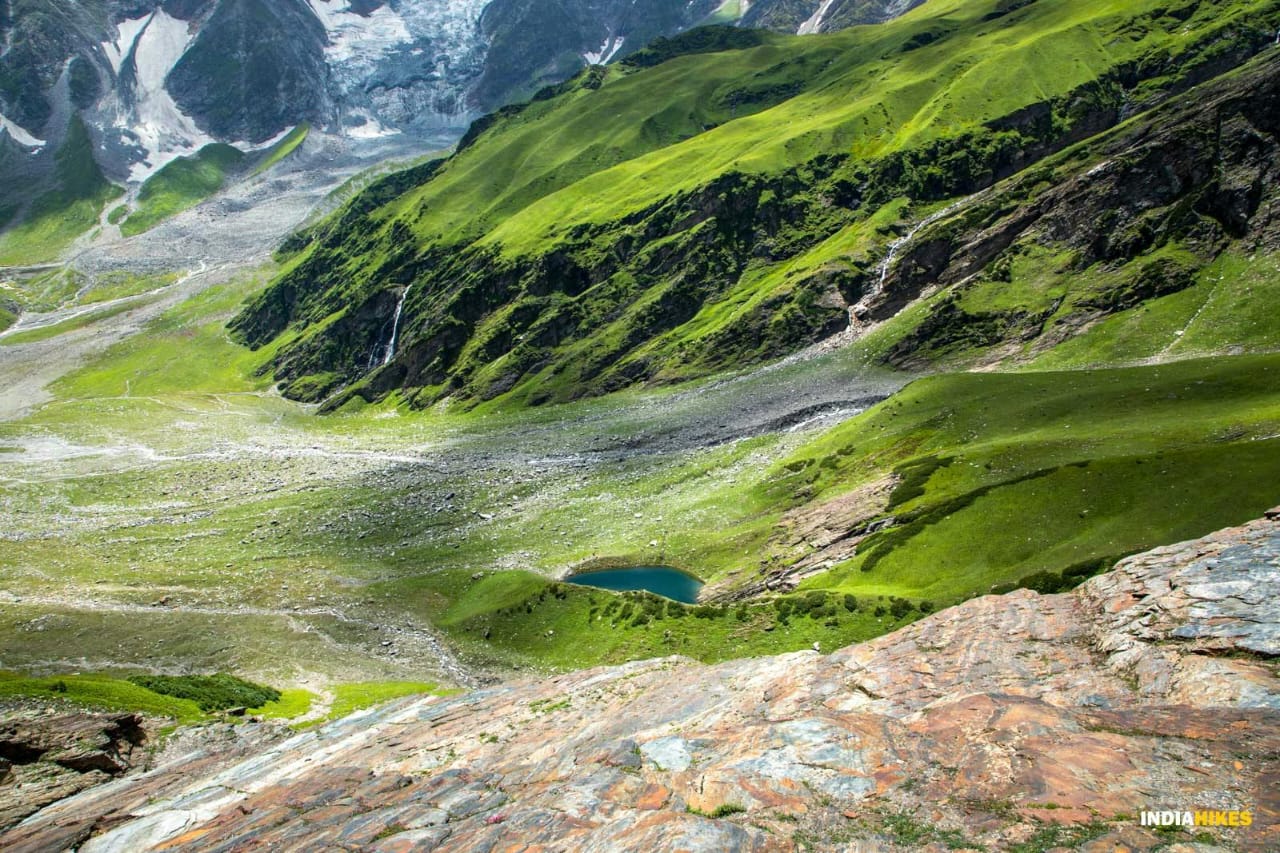
Beas Kund Trek is a short Himalayan trek from Manali that takes you through the upper Solang Valley landscape toward Beas Kund, a high-altitude glacial lake traditionally associated with the source of the Beas River. The trail combines alpine meadows, glacial streams, rocky terrain and spectacular views of the surrounding Pir Panjal peaks.
It is a popular choice for trekkers who want a genuine high-altitude Himalayan experience without committing to a long expedition. However, altitude, changing weather, stream crossings and rocky sections mean that proper preparation and local guidance are important.
Beas Kund Trek: Quick Facts
- Region: Kullu district, Himachal Pradesh
- Base: Manali / Solang Valley
- Common trailhead: Dhundi, subject to current road and local access conditions
- Maximum altitude: Approximately 3,700–3,900 m (12,000–12,800 ft), depending on the route and reference point
- Duration: Usually 3–4 days, depending on itinerary and campsite
- Difficulty: Easy to moderate for fit trekkers; the upper trail can be rocky and demanding
- Best season: May–June and September–October, subject to snow, rain and trail conditions
Why Is the Beas Kund Trek Famous?
Beas Kund is valued for both its landscape and its cultural significance. The trek moves from the Manali side into a high mountain basin where the scenery changes from valley terrain to open alpine meadows and rocky glacial surroundings.
The route also offers views toward prominent peaks and ridges of the Manali climbing region, including Hanuman Tibba, Friendship Peak and Shitidhar. The exact views vary with weather and visibility.
Beas Kund Trek Route
The commonly used approach is:
Manali → Solang Valley → Dhundi → Bakarthach / intermediate camp → Beas Kund
Road access beyond Solang Valley can vary by season and local regulations. Campsites and the exact walking route can also change with snow, weather, trail conditions and local management, so the final itinerary should always be confirmed with the trek team.
Beas Kund Trek Itinerary
Day 1: Manali – Solang Valley – Dhundi – Camp
Drive from Manali toward Solang Valley and continue toward the Dhundi side, subject to road access. Begin trekking through the upper Beas valley and gradually move toward the alpine camping area. The first day introduces you to the changing mountain landscape while allowing the body to adjust to altitude.
Day 2: Camp – Beas Kund – Camp
Start early for the main section of the trek. The trail becomes more open and rocky as you approach the high basin. Depending on seasonal conditions, you may encounter snow patches, glacial streams or loose moraine. Spend time at Beas Kund before returning to camp.
Day 3: Camp – Dhundi – Solang Valley – Manali
After breakfast, descend toward Dhundi and continue back toward Solang Valley. From the roadhead, drive to Manali and complete the trek.
Note: Some operators use a 4-day itinerary with additional camps and shorter walking stages. The itinerary should be selected according to group fitness, weather and current trail conditions.
Best Time to Visit Beas Kund Trek
May to June
Early summer can still have snow on higher sections of the route. Lower meadows become greener as the season progresses. Snow conditions can change considerably from one year to another.
September to October
After the main monsoon period, clearer conditions are often possible, with good mountain visibility on suitable days. Nights at altitude can be cold, so proper insulation is essential.
July to August
Monsoon weather can bring rain, slippery trails, swollen streams and road-access problems. Trekking during this period requires particular attention to local weather and safety advice.
Beas Kund Trek Difficulty
Beas Kund is commonly described as an easy-to-moderate Himalayan trek, but it should not be treated as a casual walk. The higher sections can involve sustained climbing, uneven rocks, loose moraine, cold conditions and stream crossings.
Regular walking, stair climbing, running or cycling in the weeks before the trek can help build the required endurance. First-time trekkers should follow the instructions of their trek leader and avoid rushing at altitude.
What to Pack for Beas Kund Trek
- Waterproof trekking shoes with good grip
- Thermal inner layers and warm fleece/jacket
- Waterproof outer layer or rain protection
- Warm cap, gloves and extra socks
- Sunglasses and sunscreen
- Headlamp and power bank
- Reusable water bottle
- Personal medicines and basic first-aid supplies
- Trekking poles, especially for rocky or slippery sections
- Microspikes or suitable traction equipment when advised for snow conditions
Safety Tips for Beas Kund Trek
- Check the weather and trail conditions before departure.
- Do not cross fast-flowing streams if conditions are unsafe.
- Stay with your trek group and follow the trek leader.
- Drink water regularly and monitor yourself for altitude-related symptoms.
- Do not underestimate cold, wind or rapidly changing mountain weather.
- Follow current forest, camping and local access rules.
- Carry all waste back and follow Leave No Trace principles.
How to Reach the Beas Kund Trek Starting Point
By road: Manali is the main base. From Manali, the route generally continues toward Solang Valley and the Dhundi side.
By air: Bhuntar Airport is the nearest airport with regular regional connectivity, followed by road travel to Manali.
By train: Travellers generally use a nearby rail-connected city such as Chandigarh or Pathankot and continue to Manali by road.
Frequently Asked Questions
Is Beas Kund Trek suitable for beginners?
It can suit fit beginners, especially with a planned itinerary and experienced local trek support. The upper trail still requires endurance and careful footing.
How high is Beas Kund?
Published trek references place Beas Kund in the approximate range of 3,700–3,900 metres (about 12,000–12,800 ft). Exact figures vary by the route and reference point.
How many days are required?
A typical organized trek takes about 3–4 days from Manali, depending on camps, route and group pace.
Can I do Beas Kund in winter?
Winter conditions can be severe and snow can significantly change the route. Winter attempts should only be planned with appropriate experience, equipment, local expertise and current safety information.
Plan Your Beas Kund Trek with GlacierWay
GlacierWay organizes Himalayan trekking experiences from Manali with local trek support, camping and carefully planned itineraries. If you are looking for a short Himalayan adventure with alpine landscapes and the Beas Kund experience, contact GlacierWay to check the current departure dates, route conditions and package details.
Ready for the mountains? Plan your Beas Kund Trek from Manali with GlacierWay.

