
Kedarkantha Trek 2026: Complete Route, Itinerary, Best Time & Cost Guide
Kedarkantha Trek is one of the most popular winter treks in Uttarakhand, combining snow-covered forests, open mountain clearings, alpine scenery and a rewarding summit climb. Starting from the Sankri region, the classic route passes through Juda Ka Talab and Kedarkantha Base before the summit push.
For trekkers looking for a Himalayan summit experience without committing to a highly technical expedition, Kedarkantha is an attractive option. The Uttarakhand Tourism Development Board describes the trek as easy to moderate and lists an approximate maximum altitude of 3,800 metres, with a typical six-day itinerary. View the Kedarkantha Trek with GlacierWay.
Why Kedarkantha Trek Is So Popular
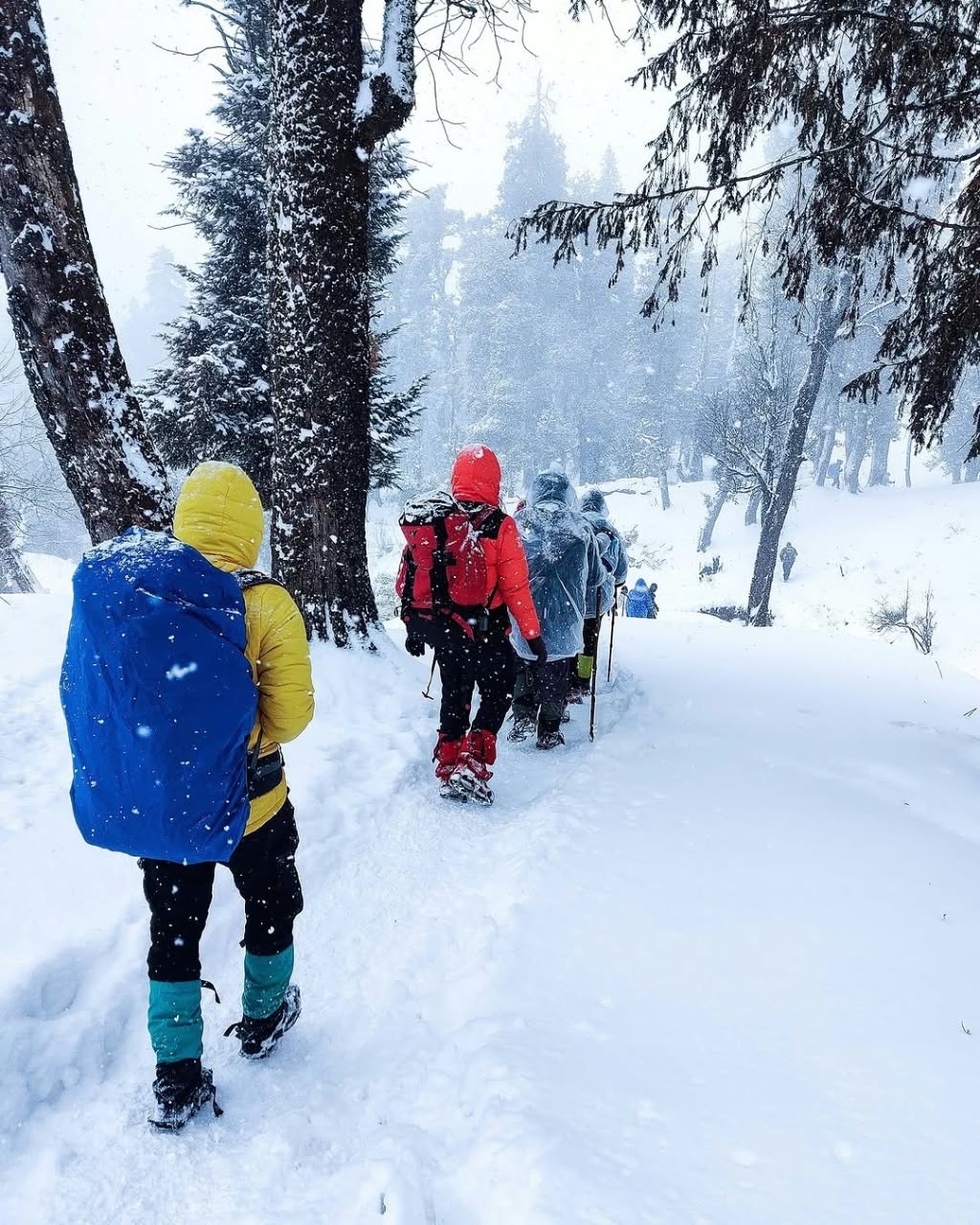
The appeal of Kedarkantha is the variety of landscapes packed into a relatively short Himalayan trek. The trail moves from mountain villages and forest paths into snow-covered terrain, open meadows and high ridges. In winter, the landscape can become a continuous white trail, while other seasons reveal greener forests and clearer meadow sections.
The summit is another major attraction. From the top, trekkers can enjoy broad Himalayan views, including prominent peaks such as Swargarohini and Bandarpoonch when weather and visibility cooperate. The final ascent is more demanding than the lower forest sections, which makes the summit day a memorable finish to the trek.
Kedarkantha Trek Route
The best-known route starts from Sankri and follows the trail towards Juda Ka Talab, then continues to the Kedarkantha Base area before the summit. Uttarakhand Tourism’s published itinerary places the main trekking stages at roughly Sankri–Juda Lake, Juda Lake–base camp, base camp–summit–Hargaon, and Hargaon–Sankri.
1. Sankri to Juda Ka Talab
The trek begins around Sankri and enters forest terrain as the trail gains altitude. Juda Ka Talab is one of the signature campsites on the classic route, surrounded by pine and oak forest. During winter, the lake and surrounding landscape can freeze and become snow-covered.
2. Juda Ka Talab to Kedarkantha Base
From Juda Ka Talab, the trail continues through forest and rising ridges towards the Kedarkantha Base area. The landscape gradually opens up, giving trekkers wider views and a stronger sense of being in the high Himalayas.
3. Kedarkantha Base to Summit
The summit day usually starts early. The trail becomes steeper as it approaches the summit ridge, so a steady pace and proper acclimatisation are important. The final climb can be challenging in snow or poor weather, but the summit provides the reward of wide mountain views.
4. Summit to Hargaon and Sankri
After the summit, the route descends towards Hargaon and then continues down through forest towards Sankri. The descent is physically easier than the summit climb but can be slippery when snow or ice is present.
Kedarkantha Trek Itinerary: 6 Days
A six-day plan is commonly used for the Kedarkantha Trek. Exact campsites, road conditions and daily timings can vary depending on the operator, weather and trail conditions.
- Day 1: Dehradun to Sankri – scenic mountain drive and overnight stay.
- Day 2: Sankri to Juda Ka Talab – forest trail and gradual altitude gain.
- Day 3: Juda Ka Talab to Kedarkantha Base – continue through forest and open ridges.
- Day 4: Summit attempt – early start for Kedarkantha summit, followed by descent towards Hargaon.
- Day 5: Hargaon to Sankri – descend through Himalayan forest and return to the base village.
- Day 6: Sankri to Dehradun – return journey and trek completion.
Best Time for Kedarkantha Trek
Kedarkantha is especially popular as a winter trek. December through April can offer snow conditions, although the amount and condition of snow vary from year to year. The Uttarakhand Tourism Development Board notes that the trek can be planned in different seasons, with winter providing snow-covered forests and summer revealing greener landscapes.
If your main goal is a classic snow trek, winter is generally the most attractive period. If you prefer milder conditions and more exposed greenery, the shoulder and warmer months can provide a different experience. Always check the latest weather and local trail conditions before departure.
Kedarkantha Trek Difficulty
Kedarkantha is generally considered an easy-to-moderate Himalayan trek, but it should not be treated as a casual walk. Altitude, cold weather, snow, long walking days and the summit ascent all require preparation.
Regular walking or cardio training before the trek can help. It is also important to maintain a comfortable pace, stay hydrated and allow your body time to adapt to altitude. If you develop symptoms of altitude illness, do not ignore them or continue ascending without appropriate guidance.
What to Pack for Kedarkantha Trek
- Layered thermal and warm clothing
- Waterproof trekking jacket and trousers
- Good-quality trekking shoes with reliable grip
- Warm socks, gloves, cap and neck warmer
- Headlamp with spare batteries
- Water bottles or hydration system
- Sunglasses and sunscreen
- Personal medicines and a basic first-aid kit
- Small daypack and rain/snow protection
Altitude and Safety Tips
Altitude is one of the most important factors on the Kedarkantha Trek. The summit is around 3,800 metres above sea level, according to the Uttarakhand Tourism Development Board. Cold, wind, snow and rapid weather changes can also affect trekking conditions.
Walk at a controlled pace, keep yourself hydrated and follow the instructions of your trek leader or local guide. Do not underestimate cold-weather exposure. Proper layers and dry clothing are particularly important during winter.
Is Kedarkantha Trek Good for Beginners?
For people who are new to Himalayan trekking, Kedarkantha can be a good introduction when approached with proper preparation. The route offers a genuine summit experience while remaining within the easy-to-moderate category used by Uttarakhand Tourism.
Beginners should still train beforehand, understand the effects of altitude and be prepared for cold and snow. Choosing an experienced local trekking operator can also make logistics, safety and route management easier.
Book Kedarkantha Trek with GlacierWay
Ready to experience the Himalayas? Explore the Kedarkantha Trek with GlacierWay for the current itinerary and trip details. GlacierWay can help you plan your Himalayan adventure with trekking support and local knowledge.
Frequently Asked Questions
How high is Kedarkantha?
The Kedarkantha summit is approximately 3,800 metres above sea level, according to the Uttarakhand Tourism Development Board.
How many days are needed for Kedarkantha Trek?
A typical complete itinerary takes about six days including the drive from Dehradun to Sankri and the return journey.
Is Kedarkantha a winter trek?
Yes. Kedarkantha is particularly famous for winter trekking and snow-covered trails, although the trek can be planned in other seasons as well.
Is Kedarkantha suitable for beginners?
It can be suitable for prepared beginners because the trek is generally graded easy to moderate. However, altitude, cold and snow require proper fitness and preparation.
Where does the Kedarkantha Trek start?
The classic and most popular route starts from Sankri in Uttarakhand and passes through Juda Ka Talab before reaching the summit.
Plan smart, trek responsibly and leave the Himalayas cleaner than you found them.

