

Kuari Pass Trek: Complete Guide to the Lord Curzon Trail, Itinerary & Best Time
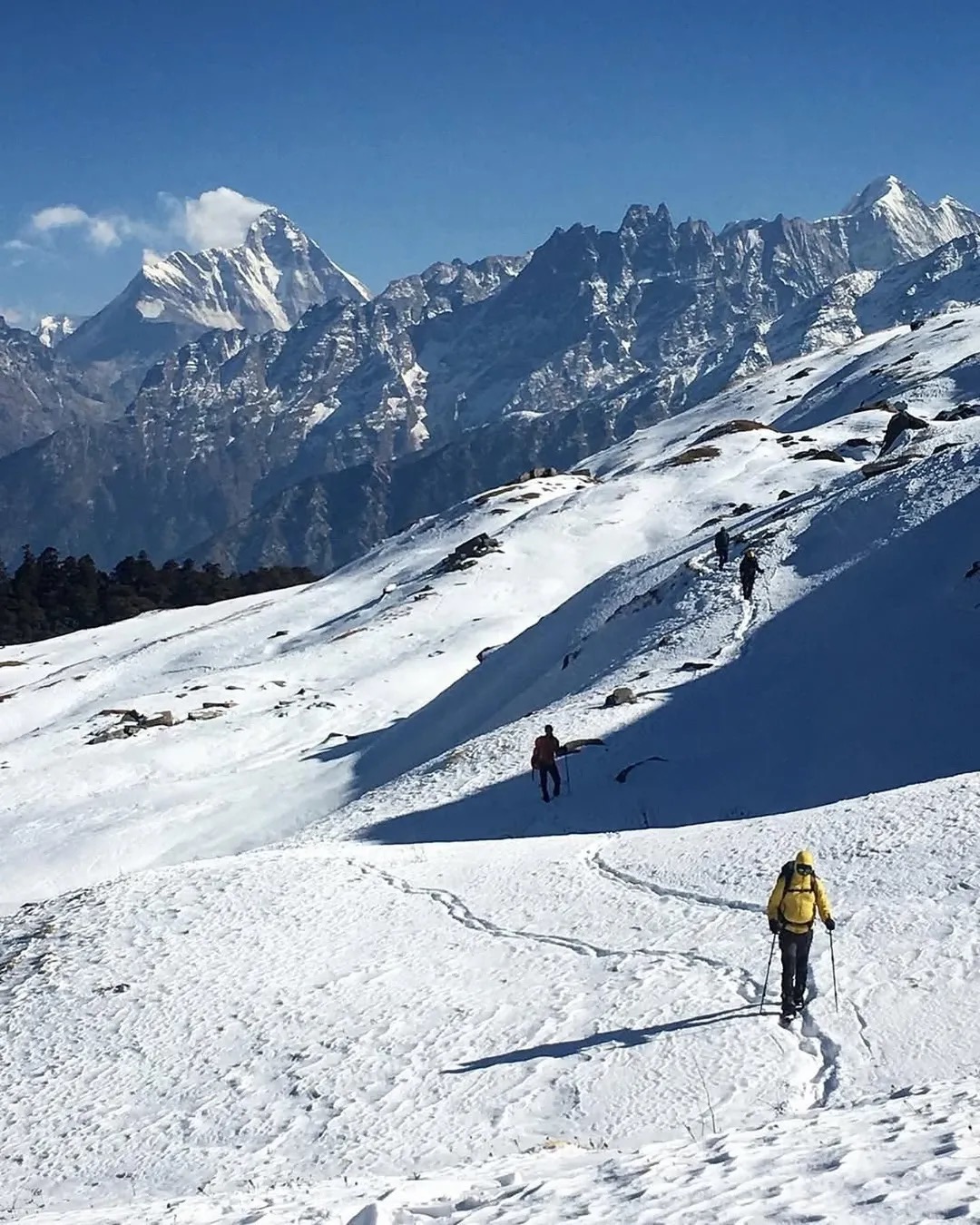
Kuari Pass Trek, also known as the Lord Curzon Trail, is a high-altitude trek in the Chamoli district of Uttarakhand. The route is known for wide Himalayan views, alpine meadows (bugyals), oak and rhododendron forests, and views toward peaks including Nanda Devi, Dronagiri, Kamet, Chaukhamba, Trishul and Neelkanth. The pass is around 3,800 m (12,500 ft), although the exact elevation and route distance vary slightly by route and season.
Kuari Pass Trek at a Glance
- Location: Chamoli district, Garhwal Himalayas, Uttarakhand
- Common approach: Joshimath to Dhak village, depending on the itinerary
- Maximum altitude: Approximately 12,500–12,516 ft (about 3,810 m)
- Duration: Usually 5–6 days including road travel
- Trek distance: Approximately 22–30 km, depending on the route and camps
- Difficulty: Easy to moderate in suitable conditions; winter snow can make the trek considerably more demanding
- Best seasons: September–November for clearer mountain views; December–March for a snow experience; spring conditions vary with snowfall
Why Is Kuari Pass Called the Lord Curzon Trail?
Kuari Pass is popularly known as the Lord Curzon Trail because the route became associated with Lord Curzon, the former Viceroy of India, during his Himalayan travels in the early twentieth century. Today, trekkers follow sections of this historic route for its combination of forests, high meadows and panoramic Garhwal mountain scenery.
What Makes the Kuari Pass Trek Special?
The attraction of Kuari Pass is the scenery rather than a technical summit. The trail moves from forested sections into open alpine terrain, giving trekkers changing views throughout the journey. On clear days, the skyline can include major Garhwal peaks such as Nanda Devi, Dronagiri, Kamet, Chaukhamba and Trishul.
The route is also a good introduction to multi-day Himalayan trekking for people who are physically prepared. However, “beginner-friendly” does not mean effortless: altitude, cold, long walking days and winter snow require proper preparation.
Kuari Pass Trek Itinerary: 6 Days
Day 1: Rishikesh/Dehradun to Joshimath
Drive toward Joshimath through the mountain valleys of Uttarakhand. The road journey is long, so the day is primarily for travel and settling in before the trek.
Day 2: Joshimath to Dhak and Trek to Gulling
After reaching the roadhead near Dhak, begin walking through forested terrain. The trail gradually gains altitude toward the first campsite, with mountain views becoming more open as you climb.
Day 3: Gulling to Khullara/High Camp
Continue through forest and meadow sections toward the higher camps. In clear weather, the Garhwal peaks begin to dominate the horizon.
Day 4: Khullara to Kuari Pass and Back
This is the main summit day. Start early and climb toward Kuari Pass. Depending on snow, weather and route conditions, the final approach can be challenging. Spend time at the pass only as conditions safely allow, then descend to camp.
Day 5: Khullara to Gorson Bugyal and Auli
Descend through open meadow terrain toward Gorson Bugyal and continue toward Auli. This section is especially scenic when the meadows are green or covered in winter snow.
Day 6: Auli/Joshimath to Rishikesh/Dehradun
Drive back toward the plains and conclude the trek. Your exact return time depends on road and weather conditions.
Best Time for Kuari Pass Trek
September to November: Clear Himalayan Views
Post-monsoon conditions can offer clear skies and excellent long-distance visibility. Autumn is particularly attractive for trekkers who want mountain photography and relatively straightforward trail conditions.
December to March: Winter Snow Trek
Winter can transform Kuari Pass into a snow-covered Himalayan route. Snow depth and trail conditions vary from year to year. Cold temperatures, shorter daylight and snow-covered sections mean trekkers need appropriate winter equipment and experienced trek support.
Spring: Changing Snow and Forest Landscapes
As winter recedes, snow conditions change and vegetation begins to return. Exact conditions depend on the year’s snowfall and weather.
Monsoon: Use Extra Caution
July and August bring monsoon conditions to Uttarakhand. Heavy rain can affect trails and mountain roads, so trek operators should assess current weather and route conditions before departure.
Kuari Pass Trek Difficulty
Kuari Pass is commonly described as easy to moderate, but difficulty changes with weather, snow and the chosen route. A winter departure can be substantially harder than an autumn trek because snow slows walking and increases exposure to cold.
Trekkers should be comfortable walking several hours each day, carrying a daypack, and moving safely on uneven mountain terrain. Previous trekking experience is useful but is not essential for a well-prepared participant on a suitable itinerary.
Fitness Preparation for Kuari Pass
- Build cardiovascular fitness with brisk walking, jogging, cycling or stair climbing.
- Include regular uphill walking and leg-strength exercises.
- Practice walking for several consecutive days before the trek.
- Do not underestimate altitude or cold weather.
- Follow your trek leader’s instructions and allow your body time to acclimatise.
What to Pack for Kuari Pass
- Layered warm clothing and a waterproof outer layer
- Comfortable, well-broken-in trekking shoes with good grip
- Warm socks, gloves, cap and thermal layers
- Headlamp with spare batteries
- Water bottle or hydration system
- Sunglasses, sunscreen and lip balm
- Personal medicines and a basic first-aid kit
- Gaiters and suitable traction equipment when required for snow conditions
How to Reach Kuari Pass
Most itineraries use Rishikesh or Dehradun as the transport gateway and travel toward Joshimath in Chamoli district. The actual trekking section commonly begins near Dhak village, although routes and camps vary between operators. Always confirm the exact roadhead, itinerary and transport inclusions before booking.
Frequently Asked Questions
Is Kuari Pass good for beginners?
It can be suitable for fit first-time Himalayan trekkers, particularly outside difficult winter conditions. Beginners should still prepare properly for altitude, cold and consecutive walking days.
How high is Kuari Pass?
The pass is approximately 3,800 m (12,500 ft) above sea level. Published figures vary slightly depending on the source and route.
How many days are required for Kuari Pass?
A common itinerary takes 5–6 days including travel. The walking portion varies according to the chosen route and campsite plan.
Can I do Kuari Pass in winter?
Yes, winter is one of the reasons trekkers choose Kuari Pass. Snow conditions vary significantly by year, so winter departures require appropriate clothing, equipment, experienced support and a current weather/route assessment.
What peaks can I see from Kuari Pass?
On clear days, views can include Nanda Devi, Dronagiri, Kamet, Chaukhamba and Trishul, among other Garhwal Himalayan peaks.
Plan Your Kuari Pass Trek with GlacierWay
Ready to explore the Lord Curzon Trail? GlacierWay can help you plan a Kuari Pass trekking experience with route guidance, trek support and practical preparation advice. Contact the GlacierWay team for current departure dates, inclusions, availability and pricing before booking.
